
You can clean the floors, change the HVAC filter, and keep your home in excellent condition—and still have an indoor air concern that goes completely unnoticed. When was the last time you checked your home for radon?
For many homeowners, radon testing isn’t something they think about until a real estate transaction brings it up. Others have never heard much about it at all. Yet this naturally occurring gas deserves a place on the home maintenance checklist, right alongside checking for moisture problems, roof damage, and plumbing leaks.
Radon Doesn’t Knock Before It Enters
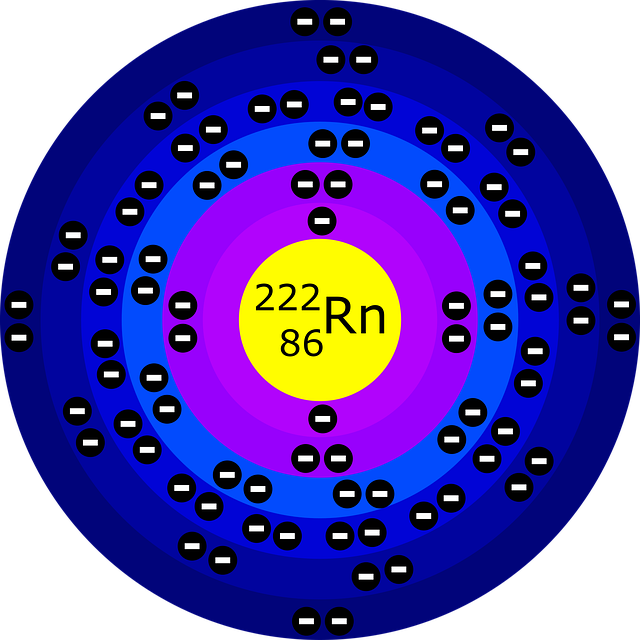
Radon develops naturally underground as certain elements in soil and rock break down. It can travel upward and find its way indoors through small openings around foundations, crawl spaces, floor joints, and utility penetrations.
Once inside, it can build up to concerning concentrations.
Here’s what makes radon different from many other household problems: there is no reliable way to detect it with your senses. You won’t notice a particular smell, see a stain on the wall, or hear a warning sound. Testing is the way to determine whether radon is present at elevated levels.
Long-term exposure increases the risk of lung cancer, including in people who have never smoked. That makes radon an indoor environmental concern worth understanding—not something to dismiss simply because a home looks well maintained.
Why Isn’t Everyone Testing?
The answer often comes down to what homeowners can see.
A damp crawl space may prompt an immediate call for help. A roof leak leaves evidence. Radon, however, can remain undetected because there may be nothing visibly wrong.
Some homeowners believe a newer house is less likely to have a problem. Others assume that living on a slab or having a crawl space eliminates the concern. Neither assumption can establish whether a home has safe radon levels.
And while a previous home inspection may have covered many important conditions, radon testing is a separate service unless specifically included.
In Georgia, where homes vary in foundation design, age, and location, assumptions are no substitute for actual measurements. Radon concentrations can differ considerably, even between nearby properties.
What Does a Professional Bring to the Process?
A professional radon test is about more than setting a device in a room and waiting for a number.
A qualified tester understands appropriate equipment placement, testing conditions, and procedures intended to help produce dependable results. Following the proper protocol helps reduce the chance that preventable testing errors will compromise the findings.
Professional guidance also makes the results easier to interpret. The U.S. Environmental Protection Agency recommends taking action to reduce radon when indoor levels reach 4.0 pCi/L or higher. At lower concentrations, homeowners may still wish to consider reducing exposure.
If results are elevated, a professional can explain the appropriate next steps and help direct homeowners toward qualified mitigation services when needed.
Don’t Wait for a Reason to Worry
Testing makes sense if your home has never been checked, you’re purchasing a property, or you’ve made significant changes to your foundation or lower-level living areas. Retesting may also be appropriate after mitigation or when conditions change.
Radon testing isn’t about creating fear or finding fault with a home. It’s about replacing uncertainty with useful information.
Your home may have passed every visible inspection. But has anyone measured what’s in the air?
If the answer is no—or you’re simply unsure—consider scheduling a professional radon test. It’s a straightforward way to learn more about your home’s indoor environment and make informed decisions about protecting the people who live there.