
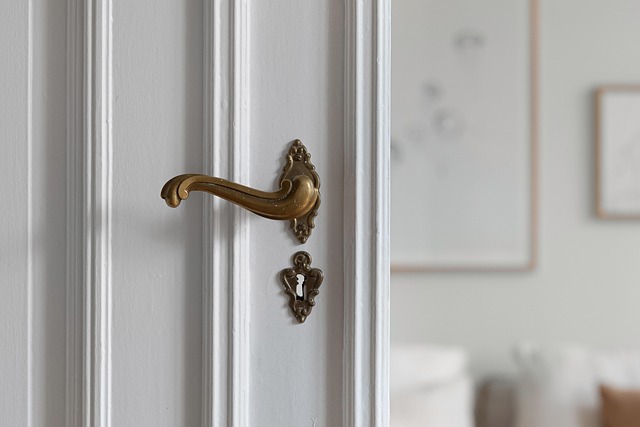
Walk through any house and you’ll pass through dozens of doors without a second thought. They open, they close, they separate spaces—it all seems straightforward. Yet, those same doors can reveal far more than most people realize. When looked at carefully, they offer subtle but meaningful clues about the overall condition of a home.
Alignment and Structural Movement
One of the first things to notice is how a door fits within its frame. A door that sticks, rubs, or refuses to latch properly is rarely just a minor inconvenience. It often points to movement within the structure. Seasonal shifts can play a role, but persistent misalignment may indicate settling, moisture intrusion, or changes in humidity levels affecting the materials of the home.
Moisture’s Quiet Footprint
Moisture, in particular, leaves its signature in quiet ways. Doors that swell, warp, or feel slightly soft along the edges can suggest prolonged exposure to damp conditions. This is especially true in areas like basements, bathrooms, and exterior entryways. Over time, excess moisture doesn’t just affect the door—it can impact surrounding framing, insulation, and air quality.
Clues at the Threshold
Pay attention to the bottom edge of exterior doors. Discoloration, peeling paint, or a slightly spongy texture can be early indicators that water is making its way in. Even small gaps beneath a door can allow humid air to enter, which may contribute to hidden issues inside walls or flooring systems.
Interior Signals You Shouldn’t Ignore
Interior doors tell their own story as well. A door that remains slightly ajar without assistance might signal that the floor beneath has shifted or become uneven. While this can happen in older homes, sudden changes are worth noting. Consistency is key—homes tend to “speak” through patterns rather than isolated quirks.
Hardware Tells a Story Too
Another often-overlooked detail is the condition of hinges and hardware. Rusted or corroded metal components can hint at elevated humidity levels over time. Similarly, loose screws or cracking around hinge points may suggest that the material holding them—often wood—has been compromised, possibly due to long-term environmental exposure.
Following the Scent
Odor is another subtle but telling factor. A musty smell near door frames or when opening a seldom-used door can indicate that moisture has lingered in enclosed spaces. While the door itself might appear intact, it can be acting as a barrier to an underlying issue that hasn’t yet become visible.
What Paint Reveals
Even paint can provide clues. Bubbling, blistering, or uneven finishes near door frames often point to moisture attempting to escape from within the wall cavity. Fresh paint that quickly deteriorates in these areas is rarely coincidental.
Doors as Checkpoints
In many ways, doors act like checkpoints throughout a home. They respond to changes in structure, environment, and air quality faster than many other elements. Taking the time to observe how they look, feel, and function can offer early insight into conditions that might otherwise go unnoticed.
A Final Look Before You Pass Through
A well-behaved door is easy to ignore. But when something feels just slightly off, it’s often worth a closer look. Homes rarely hide their stories completely—sometimes, they simply whisper them through the details we pass by every day.