
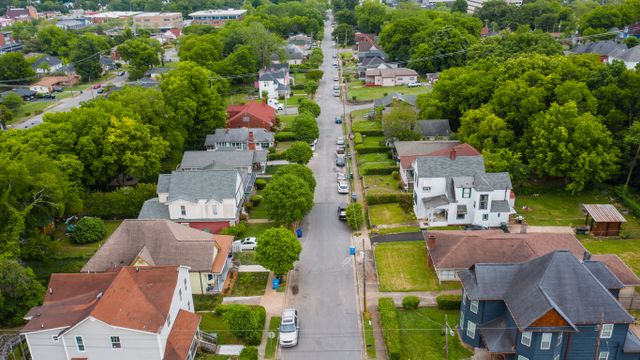
Atlanta and its surrounding communities offer a fascinating mix of home styles. From classic Craftsman bungalows to sprawling suburban homes, each style has its own character—and its own set of maintenance and environmental concerns.
From a home inspection and mold remediation perspective, the age, design, materials, and construction of a home can all influence how moisture behaves inside and around the property. Here are some of the most common Atlanta-area home styles and the issues worth watching.
🏡 Craftsman Bungalows
Craftsman homes are a familiar sight throughout Atlanta, particularly in older neighborhoods. Their wide front porches, low-pitched roofs, and detailed woodwork give them plenty of charm.
Common concerns include:
- Aging or damaged roof materials
- Poor drainage around foundations
- Crawl-space moisture
- Wood rot and deteriorating exterior trim
- Inadequate ventilation
- Older plumbing and electrical systems
Crawl spaces deserve particular attention. When moisture enters through the soil, foundation walls, plumbing leaks, or poor drainage, humidity can build up and create favorable conditions for mold growth.
🏠 Traditional Brick and Colonial-Style Homes
Brick ranches, Colonials, and other traditional designs are common throughout Atlanta’s established neighborhoods and suburbs. Brick exteriors are durable, but they are not completely moisture-proof.
Potential problem areas include:
- Damaged mortar joints
- Water intrusion around windows and doors
- Roof and flashing problems
- Basement or crawl-space moisture
- Poor grading
- Aging HVAC systems
A brick wall can look perfectly sound while moisture is entering somewhere behind the surface. Proper drainage and flashing are especially important for keeping water out of the home’s interior assemblies.
🌳 Ranch-Style Homes
One-story ranch homes are widespread across the Atlanta area. Their straightforward layouts can make maintenance relatively manageable, but many older ranches have crawl spaces that require careful evaluation.
Moisture is often the biggest concern. Gutters that discharge too close to the foundation, plumbing leaks, groundwater, and inadequate crawl-space ventilation can all contribute to elevated humidity.
Red flags include musty odors, damp insulation, staining, wood deterioration, and visible fungal growth.
Importantly, ventilation alone isn’t always the answer. Controlling the source of moisture is usually the first priority.
🏘️ Newer Suburban and Contemporary Homes
Newer construction in areas surrounding Atlanta often features open floor plans, finished basements, larger windows, and modern building materials.
New doesn’t necessarily mean problem-free.
Common concerns can include construction-related moisture, inadequate drainage, roof or flashing defects, HVAC condensation issues, and improperly sealed exterior penetrations. Finished basements can be particularly sensitive because hidden moisture may remain behind drywall or insulation before obvious damage appears.
🔎 The Atlanta Factor: Moisture Matters
Atlanta’s humid climate makes moisture management especially important. Regardless of whether a property is a 1920s bungalow or a recently built suburban home, inspectors should pay close attention to water intrusion, humidity, drainage, ventilation, HVAC performance, and areas where moisture can remain hidden.
The good news is that many environmental problems can be identified before they become major repairs. Regular inspections, proper gutter maintenance, prompt leak repairs, and appropriate humidity control can go a long way toward protecting both the structure and indoor environment.
The bottom line: Every Atlanta home has its own personality, but moisture is a common thread. Understanding how a home’s style and construction affect moisture movement is an important part of keeping the property healthy, comfortable, and durable.