
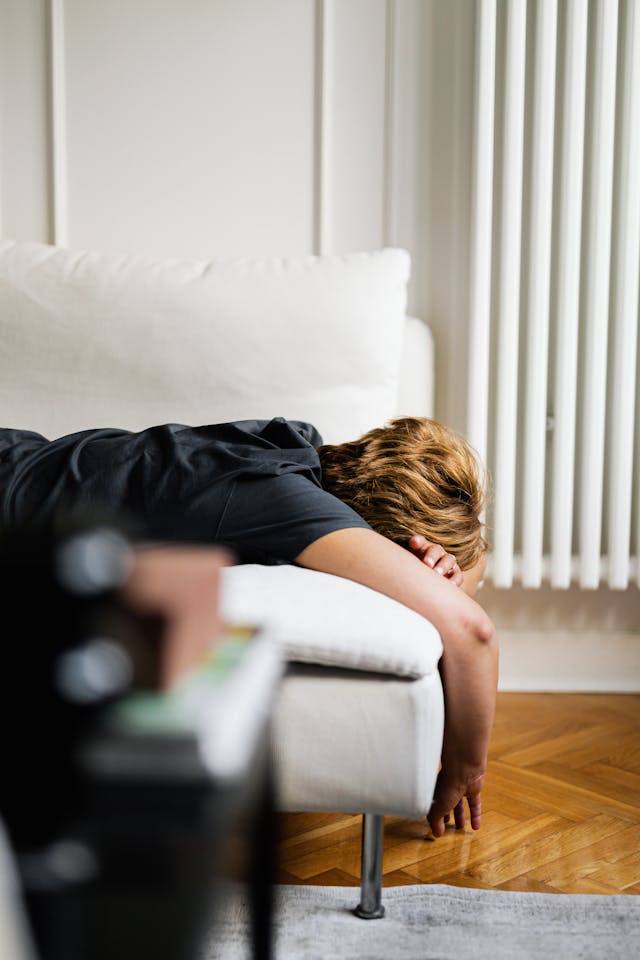
Persistent fatigue is often blamed on busy schedules, stress, or poor sleep habits. However, there are cases where the environment inside a home quietly contributes to that constant sense of exhaustion. As someone who inspects homes with a focus on indoor air quality and mold-related issues, it’s not uncommon to encounter properties where occupants report feeling unusually tired without a clear medical explanation.
Indoor Air Quality Matters More Than You Think
The air inside a home can sometimes be more polluted than the air outdoors. Poor ventilation, dust accumulation, volatile organic compounds (VOCs), and biological contaminants all play a role. When airflow is restricted or filtration is inadequate, these pollutants linger and circulate. Over time, exposure may lead to symptoms such as fatigue, headaches, or difficulty concentrating. These effects are often subtle and build gradually, making them easy to overlook.
Mold: The Hidden Contributor
Mold growth is one of the most frequently identified environmental concerns in residential inspections. It thrives in damp, poorly ventilated areas—behind walls, under flooring, or inside HVAC systems. Not all mold is visible, and not all produces a noticeable odor. In certain conditions, mold can release microscopic particles into the air that may affect sensitive individuals. While not everyone reacts the same way, some occupants report persistent tiredness when mold is present in the home.
Moisture and Humidity Imbalances
Excess humidity can create an environment that supports mold, dust mites, and bacterial growth. On the other hand, air that is too dry can irritate the respiratory system and disrupt sleep quality. Maintaining balanced indoor humidity—typically between 30% and 50%—is essential for both comfort and health. Improperly sealed homes, plumbing leaks, or inadequate ventilation often contribute to these imbalances.
Lighting, Materials, and Environmental Stressors
Environmental fatigue isn’t always about air quality alone. Inadequate natural light, harsh artificial lighting, and even certain building materials can influence how a space feels. Poor lighting can disrupt circadian rhythms, while off-gassing from new materials or furnishings may introduce low levels of chemical exposure that affect comfort and energy levels.
Rule Out Medical Causes First
Before attributing fatigue to environmental conditions, it is essential to consult a qualified medical professional. Fatigue can stem from a wide range of health conditions, some of which require prompt attention. A thorough medical evaluation helps ensure that any underlying issues are properly identified and addressed. Environmental factors should be considered as part of a broader assessment—not as a first assumption.
When to Consider a Professional Inspection
If medical causes have been ruled out and symptoms persist, a professional home inspection focused on environmental conditions may be beneficial. This can include moisture mapping, air quality testing, and a detailed evaluation of ventilation systems. Identifying and addressing hidden issues often leads to noticeable improvements in comfort and overall well-being.
A Healthier Home, A Clearer Mind
A home should support rest and recovery—not contribute to fatigue. By understanding how environmental factors influence indoor living conditions, it becomes possible to create a space that promotes better energy, focus, and long-term health.